A geopolitical shift is underway as Eurasia emerges as a new center of global power, challenging the long-standing dominance of the United States and its Atlantic alliances. Experts warn that Washington must connect its strategies across the Atlantic and the Pacific to maintain its influence in a rapidly changing world.
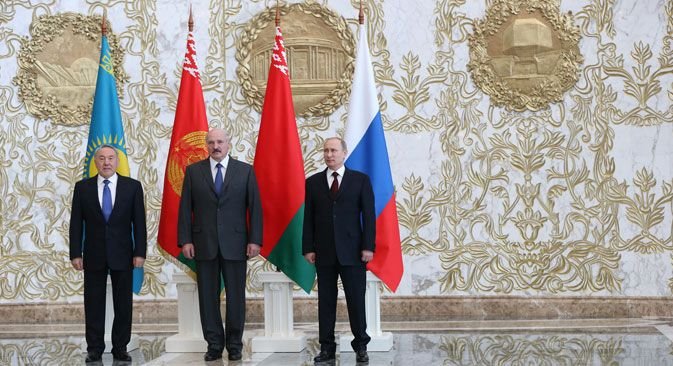
The growing cooperation between China, Russia, and regional powers like India and Iran has given rise to what analysts are calling the “Eurasian Order” — an alternative vision to Western-led institutions. The creation of new trade corridors, energy alliances, and security frameworks such as the Shanghai Cooperation Organization (SCO) and the BRICS+ expansion are redefining the global landscape.
“America’s biggest challenge is not a single rival, but a network of nations seeking autonomy from Western rules,” said Dr. Michael Reynolds, an international relations scholar at Princeton University. “For the first time in decades, the U.S. must think simultaneously in two theaters — the Atlantic and the Indo-Pacific — or risk losing its strategic coherence.”
This shift is already visible in infrastructure projects like China’s Belt and Road Initiative, which has expanded across Central Asia and into Europe, connecting over 60 countries and representing nearly 40% of the world’s GDP. Meanwhile, Russia’s closer ties with Beijing and increased trade in local currencies are eroding the dominance of the U.S. dollar in the region.
In response, Washington has intensified its partnerships through NATO in Europe and with the Quad alliance — which includes Japan, Australia, and India — in the Indo-Pacific. However, analysts suggest that these efforts remain fragmented and reactive, while Eurasian powers are coordinating more strategically.
The stakes are high. If the United States fails to integrate its Atlantic and Pacific policies, experts fear it could face a gradual decline in global leadership, with Eurasia becoming the world’s dominant geopolitical and economic hub.